You found a house you love. Before you picture the furniture in it, I want you to think about two things you may not notice on a showing: mold and radon. One you can often see or smell. The other you can't detect without a test. Neither one has to end your plans, but you want answers while you still have room to ask questions.
I'm Jerry Mac with Keller Williams Realty, with 23 years in the business. Here is what New Jersey and the EPA say, in plain English.
Radon: The One You Can't See or Smell
Radon is a radioactive gas that comes from the soil and can build up inside a home. The EPA estimates it causes about 21,000 lung cancer deaths a year in the United States, and the U.S. Surgeon General has called it the second leading cause of lung cancer. The risk is especially high for people who smoke or used to.
The number to remember is 4 pCi/L (picocuries per liter). At that level or higher, the EPA and the New Jersey Department of Environmental Protection (NJDEP) recommend fixing the home. A lower result isn't zero risk.
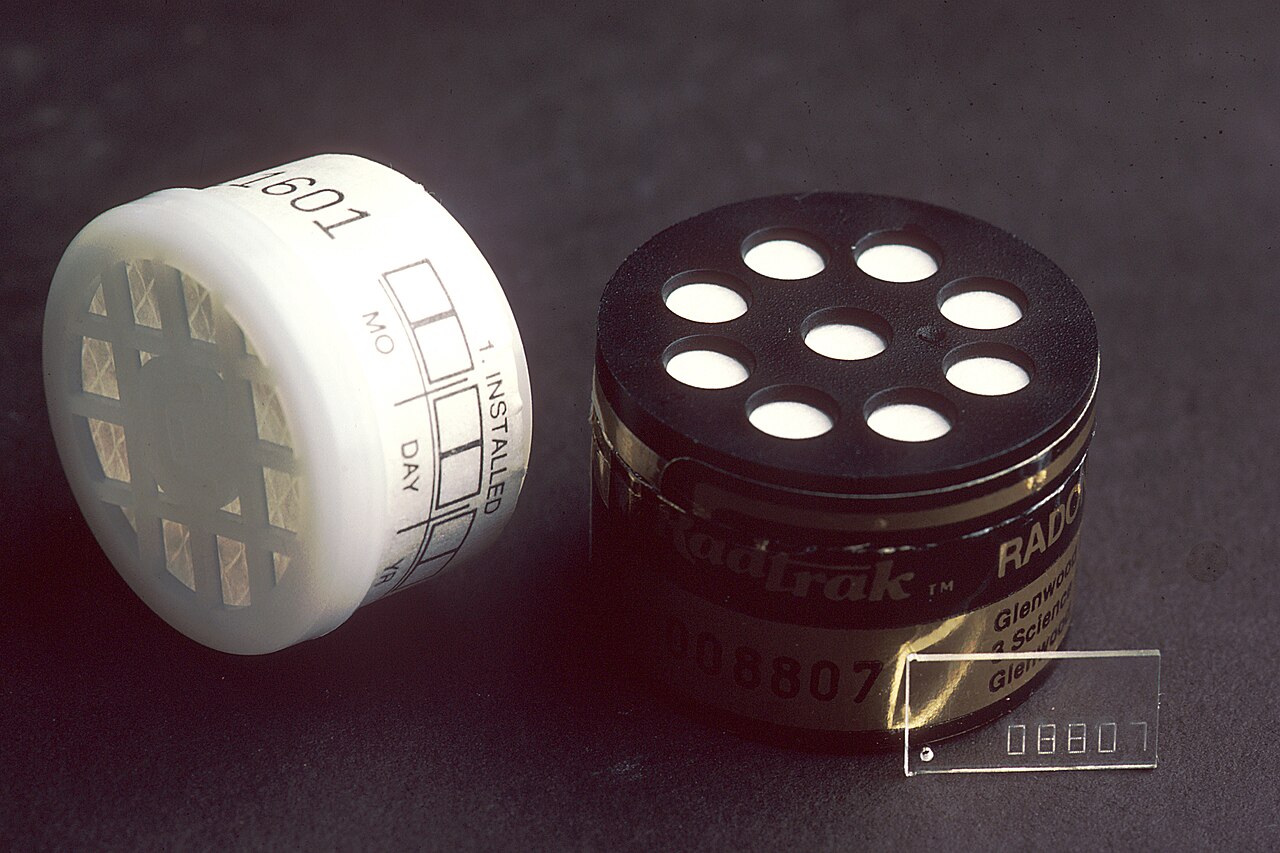

What Does the New Jersey Radon Map Say About South Jersey?
NJDEP puts each town in one of three tiers based on home test results: Tier 1 (high potential, generally 25% or more of tested homes at 4 pCi/L or higher), Tier 2 (moderate, 5% to 24%) and Tier 3 (low, under 5%). In the 2015 Radon Tier Assignment Report, these local towns are Tier 1:
- Burlington County: Chesterfield, Mansfield and Washington Township
- Camden County: Lawnside, Magnolia, Runnemede and Somerdale
- Gloucester County: Deptford, East Greenwich, Greenwich, Harrison, South Harrison, Swedesboro, Wenonah and Woolwich
Don't relax just because a town isn't on that list. Cherry Hill is Tier 2, yet 19% of the homes tested there were at or above 4 pCi/L. Moorestown was 14%. Two houses on the same street can test differently, and NJDEP recommends testing every home, whatever the tier.
Who Can Test for Radon When You're Buying?
This surprises people. Homeowners may test their own homes, but if you're under contract to buy, New Jersey requires a certified radon professional to do the entire test. The buyer, the seller and the real estate agents can't perform any part of it.
- Expect two test devices side by side, or one continuous radon monitor.
- Plan on at least 48 hours of testing.
- For tests under four days, windows and outside doors need to be closed for 12 hours beforehand and stay closed during the test, other than normal coming and going.
- The test goes in the lowest livable level, which can be an unfinished basement, but not a crawl space.
You can find certified companies at njradon.org or by calling the state radon line at 800-648-0394.
What If the Radon Test Comes Back High?
High radon can be fixed. The most common system uses a pipe and fan to pull the gas from under the foundation and vent it outside. NJDEP's homeowner guide lists a typical cost of about $2,000, with a range of $750 to $3,500. Current prices may differ, so get a real estimate. Use a New Jersey certified mitigator, test again after the work is done, and keep testing every two years.
Mold: Follow the Water
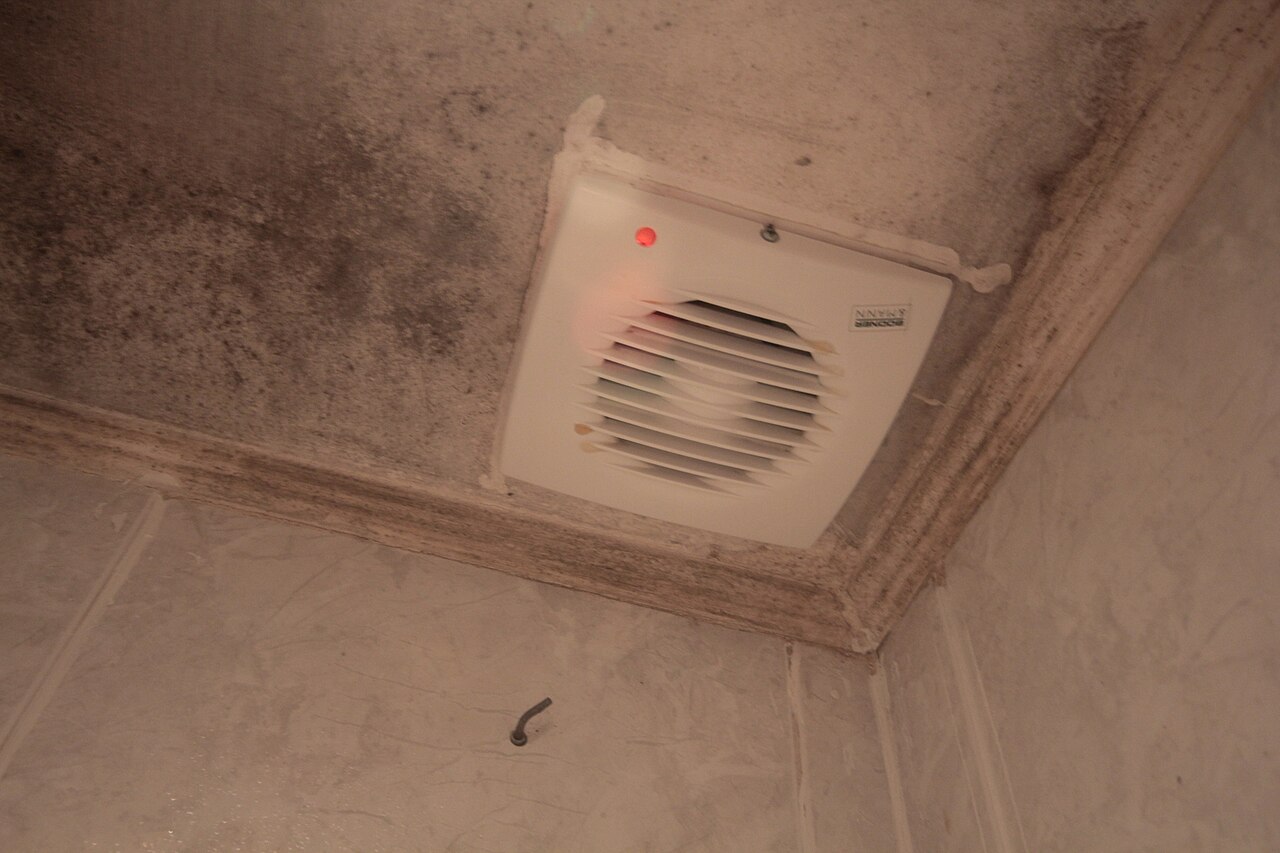
Mold needs moisture. The New Jersey Department of Health mold guidelines point to plumbing leaks, leaking roofs or windows, high humidity, flooding and condensation inside walls. On a showing, I'd pay attention to:
- A musty smell, especially in basements and crawl spaces
- Stains on ceilings or walls
- Signs of past water in the basement
- Attics, bathrooms and areas around windows

Do You Need a Mold Test?
Often, no. The state's guidelines say that when a visual inspection already shows mold, more testing isn't necessary. Sampling may help when you suspect mold but can't see it. Either way, find the water source and fix it, or the mold can come back.
For cleanup, the state goes by size:
- Under 10 square feet: a homeowner may be able to handle it.
- 10 to 100 square feet: get a professional opinion.
- Over 100 square feet: hire a qualified contractor with mold cleanup experience.
Hiring a Mold Company in New Jersey
Do your homework here. A New Jersey Department of Health flood cleanup guide says environmental consultants aren't required to have a license or certification to do mold inspections. So ask questions:
- What mold training do you have, and can you give references?
- Does your liability insurance cover mold work?
- Will I get a written report showing the cause and how to fix it?
Get more than one written estimate, and use different companies for testing and cleanup to avoid a conflict of interest. Be wary of anyone who promises a "mold free" building. The state says that can't be done.
What Do New Jersey Sellers Have to Disclose?
Since August 1, 2024, New Jersey has required residential sellers to complete a Seller's Property Condition Disclosure Statement. It asks what the seller knows about mold, water leakage or dampness, and repairs made to control water. Read it closely. It reflects the seller's knowledge and doesn't replace your own inspections.
If the seller reports water, dampness or mold, ask your agent for the state's "Mold Guidelines for New Jersey Residents" pamphlet.
Radon has its own rule. A seller who has tested or treated for radon may keep that information confidential until you both enter into a contract of sale. At that point, you must be given the test results and evidence of any mitigation. A seller can also waive that confidentiality in writing and share it sooner.
A Simple Checklist for Buyers
- Read the seller's disclosure, including anything about water.
- Book your home inspection right away, and ask what it does and doesn't cover.
- Order a radon test from a New Jersey certified company.
- If you see or smell signs of mold, bring in a qualified inspector.
- Ask for past radon results, mitigation records and water repair receipts.
- Talk with your agent and attorney about contract deadlines before they pass.
Selling? Get Ahead of It
Fix leaks, handle moisture problems and gather your records before you list. The EPA suggests sellers test for radon before listing and fix a high result first. A buyer may still want a new test.
Questions? Let's Talk
Whether you're buying or selling anywhere in South Jersey, I'm glad to walk you through it. Call or text Jerry Mac at 856-220-1874 or visit www.southjerseyrealty.com. You can also get a free home value estimate.
This article is general information, not legal, medical or inspection advice. Rules and forms change, so confirm current requirements with the state, your attorney and certified professionals. Jerry Mac, Keller Williams Realty. Equal Housing Opportunity.